Electrically operated devices cause interference. This interference can leave the device via the connecting cables and, for example, couple into our (household) electrical grid. Furthermore, electrically operated devices can emit interference as electromagnetic radio waves. Both types of interference can disrupt other devices and impair their function. Consider, for example, medical equipment or airbags in automobiles!


The functionality of electrically operated devices can be impaired by external interference! Radio interference, for example, can originate from large machines! A well-known example is the crackling sound in the radio when nearby electrical equipment is switched on at the same time! Conducted interference can enter the device via any connection point. This interference can impair the device's function to such an extent that it can no longer be used without repair.

In Germany, the EMC Act (EMVG16), which implements the European Electromagnetic Compatibility Directive 2014/30/EU, is responsible for the operational reliability of our devices. The EMVG16 Act is one of the so-called phenomenon-based directives and regulates EMC for all products. Standards describe the state of the art and define specifications and limit values. A distinction is made between basic standards, industry-specific basic standards, and product standards. Basic and industry-specific basic standards are so-called horizontal standards and apply to all products. While basic standards (e.g., EN 61000-4-X) define measurement methods and test setups, industry-specific basic standards (e.g., EN 61000-6-X) contain their limit values. Product standards apply to a specific product group.
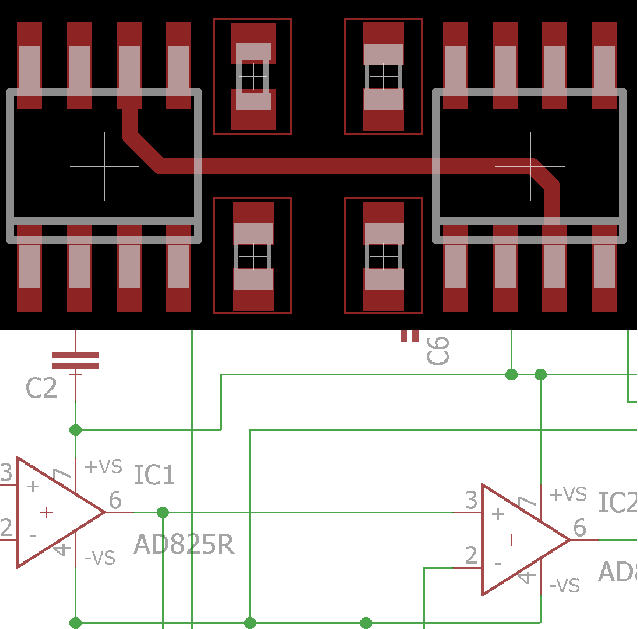
How can a layout with good EMC properties be achieved? First of all, leads to high-impedance inputs (in the image, a connection to the /- input of an operational amplifier) should be as short as possible! In general, signal paths to inputs should be as short as possible and signal paths from outputs as long as necessary.
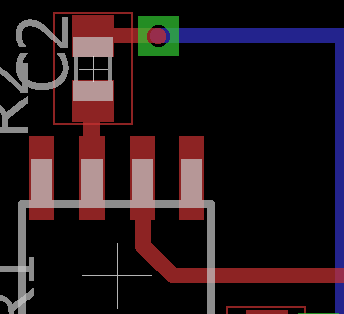
Place interference suppression capacitors directly at the sources of interference!
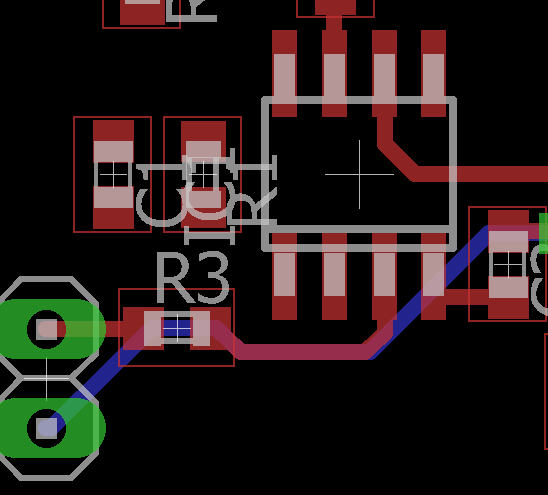
Signal connections consist of supply and return lines. The resulting surface area should be kept to a minimum!